
I made a choice to let the garden go fallow this year. It followed on the tail of a decision to have a garden but ended up being more of a consequence.
Spring seemed to be having a hard time waking up this year. Snow fell, and temperatures roller-coasted all the way to the first of May. It’s years like this that are hard to plan when to plant, for fear the last frost looms close on nights that hover in the mid to low thirties. Will there be enough wind to fend off a frost? Every day prompted speculation and a coin toss. I finally caved in and made a plan with a gardening friend to the north of us to get our gardens tilled. She called and made us back-to-back appointments.
As luck would have it, the days preceding the highly anticipated tilling event were laced with occasional scattered showers. The day before, it let loose and poured. By late evening the clouds began to thin, and by morning we were close to clear skies. My friend’s garden was done first, and afterward, the pickup, tiller, and a friendly couple showed up to turn my soil. Perhaps I should preface that because this would only be my third year in this garden which initially required breaking through tough grass heavily rooted in dense clay soil. It could hold water like a boss. So the tiller was unloaded, the fence moved out of the way along, and the tomato stakes, with their skeletons of former tomato plants still clinging to them, were stacked on the edge of the lawn. I wondered how the tiller would cut through the mud that was already adding an inch or so to the depth of the sole of my garden shoes. Fast forward – he did as good as he could, given that scattered showers returned toward the end. I felt like this was a Murphy’s Law moment.
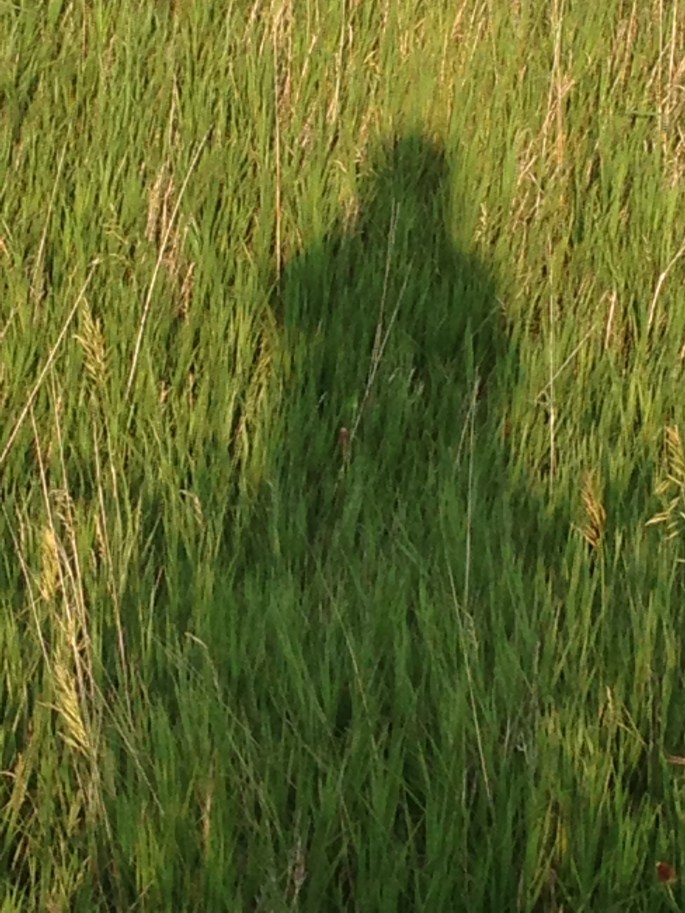
I waited a few days to start planting. The ground wasn’t tilled enough to plant deep. I put in some seeds, and some onion sets, but not plants yet like tomatoes. Over the next couple of weeks, while I was busy with work-related things, I noticed things weren’t going along according to my best intentions. Something had been digging in the onions. Are there animals that will actually eat them? It sure appeared there were, or they just spirited them away for sport. At the same time, weeds, with the beneficial amounts of rain that fell, grew like well… weeds. And as if that wasn’t enough, the rain stopped falling and in 2 days, the ground turned to concrete (heavy clay soil does that). It seemed like a lesson was being offered to me that said, maybe this isn’t a gardening year for you. True, I was more distracted. The mower had quit after only clearing the front of the house. The backyard, I quipped to a friend, was a prairie restoration-themed project in that I was collecting data about whether plants and grasses would revert back to their wild state (and the organisms they attract) in a backyard setting. My friend laughed when I told her I was kidding and that it was due to my broken-down mower. She said it sounded so logical that it actually made sense. I’m sure my neighbors, if I told them, would not appreciate the humor.
The reality was that the garden had gone fallow. I walked through there and looked at the plants that thrive. The mound of Chocolate mint I now had could probably endure a direct hit nuclear attack. The bee balm hedge and the catnip bush looked lovely. The rest was a mix of this and that – edible purslane and lambs quarters, random clusters of clover, a single Brown-eyed Susan that probably self-sowed on an errant wind last fall, and more ground ivy than I have ever seen… the carpet of which had extended eight feet into the garden since the spring thaw. I accepted that this year it was not my garden. Instead, it belonged to the plant population.
I saw what really wanted to be there without my intervention and insistence. It brought a sense of peace and respect. I sound like a nut, don’t I? Deep under that tree-hugger exterior was a woman motivated to start pulling weeds before they went to seed. These were not plants I felt the need to cultivate for any reason. They would always come back if I decided to remove all but a few of Lamb’s quarters. No worries about that one. Not planting this summer has allowed me to plan while, at the same time, I have given the earth a chance to rest. This fall, I have to decide between two viable options (the prairie project is not on the table). Option 1: call the tiller man and have him do a deep till with lots of peat, plant matter, and some composted manure. Option 2: go with raised beds and walkways.
While I ponder the reality of next year’s garden, I also look ahead to the new outdoor classroom project. As a teacher, my garden project (or lack of one) allowed me to see what happens if human intervention is not part of the plan. It follows a secondary succession plan, and the hardiest and most available weeds take hold and thrive, competing for space and resources with the other weeds. Mare’s Tail and ground ivy were especially greedy. I think about the outdoor classroom and how we will be good stewards and not let “busyness” detract from responsibility. I was lazy regarding my garden chores this year. I was not a good steward. Or was letting the garden fallow both a conscious decision and one reflecting good stewardship? The longer roots of some of the plants could break up the soil naturally. It will take a lot of effort to clean up the mess. I will also have to plan ahead, so all I need is in place this fall. To till or not to till? Plant a traditional garden or raised beds? Water or drip irrigation? Fence or no fence?
I look out the kitchen window at the chest-high mare’s tail, wondering if they have medicinal properties. I want to do so many things with the yard space, but I have so much on my plate for the next couple of years. Teach me, Grandmother Earth, I have allowed myself to go fallow, rest, and put things in perspective. I am now ready and willing to follow your instructions. Teach me so I may share your wisdom with the children.

 Nature Teacher Blog